
Reclaim Your Movement: Recovery Strategies After Injury or Surgery
Evidence-based mobility techniques and personalized rehabilitation approaches to restore your strength, flexibility and confidence during your healing journey.
Your Recovery Journey in 4 Phases
Assessment & Planning
Professional evaluation of your injury, medical history, and individual recovery goals to create a foundation for safe, personalized rehabilitation.
Early Mobility
Gentle guided movement and joint gymnastics exercises designed to restore range of motion while protecting healing tissues and reducing discomfort.
Strength Building
Progressive therapeutic exercises and core strengthening work to rebuild muscle tone, improve stability, and support healthy movement patterns.
Return to Activity
Gradual functional progression with balance and coordination exercises to safely restore confidence and independence in daily movements.
Why Early Mobility Matters for Healing
Movement during recovery isn't about pushing yourself to the limit—it's about smart, guided rehabilitation that supports your body's natural healing process. Early controlled mobility helps reduce muscle atrophy, improves circulation, and prevents complications that can extend recovery time.
An evidence-based approach to rehabilitation ensures that every movement serves a therapeutic purpose. Our comprehensive approach combines joint mobility work, stretching, and kinesiotherapy to help you regain strength, flexibility, and confidence safely.
- Reduces Pain and Discomfort: Guided movement helps reduce muscle tension and spasm while promoting natural pain relief mechanisms.
- Improves Joint Health: Regular therapeutic exercises maintain cartilage nutrition and prevent stiffness from developing.
- Accelerates Functional Recovery: Progressive exercise programs help restore everyday movement capabilities more effectively.
- Prevents Complications: Proper mobility work reduces the risk of secondary injuries and chronic movement limitations.
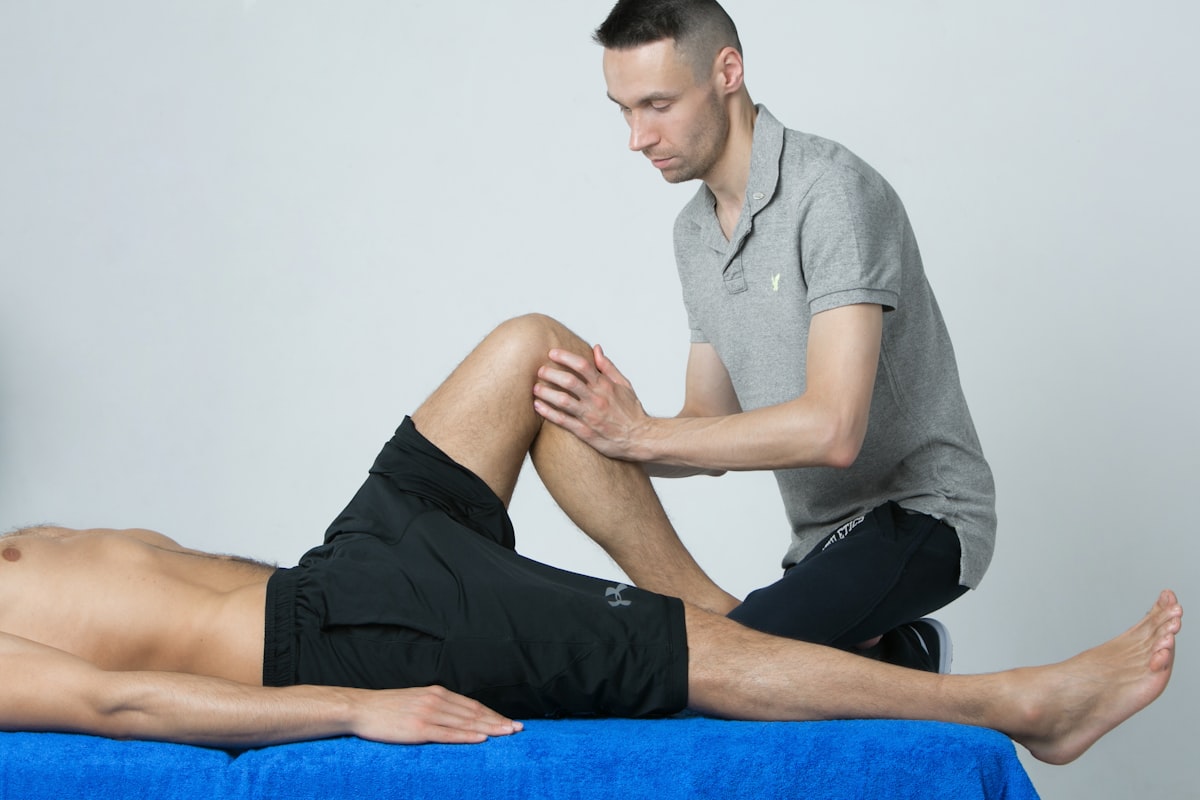
Evidence-Based Mobility Techniques
Joint Gymnastics
Specialized exercises targeting specific joints to maintain and restore range of motion. These controlled movements support cartilage health and reduce stiffness while protecting healing tissues.
Core Strengthening
Progressive exercises that build stability and support proper movement mechanics. A strong core reduces compensation patterns and protects vulnerable areas during daily activities.
Therapeutic Stretching
Guided stretching protocols that reduce muscle tension and improve flexibility without causing pain. Proper tension relief supports better movement quality and reduces discomfort.
Movement Biomechanics
Analysis and correction of movement patterns to ensure safe, efficient function. Understanding how your body moves helps prevent re-injury and builds long-term healthy habits.
Balance & Coordination
Progressive balance training to restore proprioception and coordination. These exercises build confidence and reduce fall risk during your return to normal activities.
Personalized Assessment
Comprehensive physical evaluation by qualified specialists to identify your specific needs. An individualized program approach ensures that every exercise serves your unique recovery goals.
Real Stories of Successful Recovery
"After my knee surgery, I was worried I'd never regain full mobility. The systematic approach to rehabilitation, starting with gentle joint gymnastics and gradually building strength, gave me real confidence. Within months, I was back to hiking and enjoying activities I thought were behind me. The personalized guidance made all the difference in my recovery."
Michael Torres
London
"I suffered a shoulder injury that left me unable to work. Understanding the biomechanics of safe movement and following a structured exercise program helped me rebuild strength gradually. The balance and coordination work restored my confidence. I'm now able to return to my job and manage my mobility independently."
Sarah Williams
Manchester
"Following surgery, I experienced significant discomfort and stiffness. The guided therapeutic exercises and stretching protocols reduced my muscle tension noticeably. Learning proper movement patterns through biomechanics training helped me prevent compensation injuries. I'm amazed at how much flexibility and strength I've regained."
James Patterson
Birmingham
Common Questions About Post-Injury Mobility
When should I start moving after injury or surgery?
How do I know if I'm doing exercises correctly?
Can rehabilitation help reduce pain and discomfort?
How long does recovery typically take?
What if I experience pain during exercises?
Can I prevent future injuries through rehabilitation?
Subscribe to Our Recovery Insights
Get evidence-based articles, recovery tips, and rehabilitation strategies delivered to your inbox. Join our community of readers committed to safe, effective mobility recovery.
We respect your privacy. Unsubscribe anytime.
Start Your Personalized Recovery Plan
Every recovery journey is unique. Our evidence-based approach combines professional assessment, personalized exercise programming, and expert guidance to support your return to optimal mobility. Discover the comprehensive strategies that help you heal safely and rebuild strength with confidence.